







Freely Grazing Mountain Goat
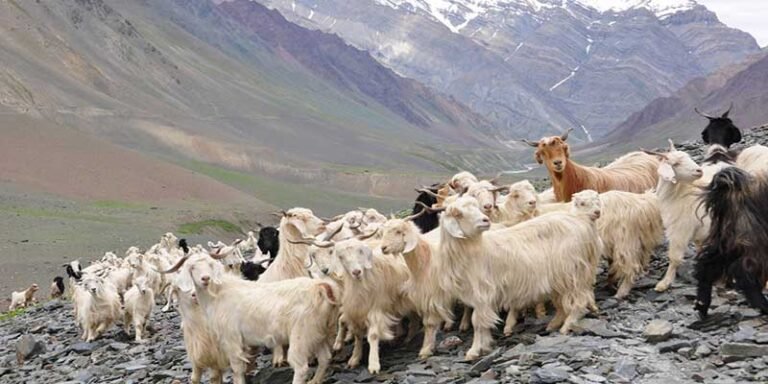
The Mountain Goat: Master of Rugged Mountain Landscapes
The mountain goat (Oreamnos americanus) is one of nature’s most remarkable climbers, perfectly adapted to life in some of the harshest and most remote mountain environments on Earth. Found primarily in the rugged ranges of western North America, this cloven-footed mammal thrives where few other animals can survive.
Despite its name, the mountain goat is not a true goat. Instead, it belongs to a group known as goat-antelopes, making it closely related to other hardy bovids such as chamois, gorals, and serows. This unique lineage gives the mountain goat its distinctive strength, agility, and resilience.
Habitat and Geographic Range
Mountain goats inhabit steep cliffs, alpine meadows, and rocky outcrops across western North America, including regions of Alaska, western Canada, and the northwestern United States. These high-altitude environments provide natural protection from predators while offering access to seasonal vegetation.
Moreover, their preference for near-vertical terrain allows them to navigate landscapes that would be nearly impossible for most animals. Their specially adapted hooves, featuring rough pads and sharp edges, provide exceptional grip on rocky surfaces.
Physical Characteristics and Adaptations
One of the most striking features of the mountain goat is its thick, white coat. This dense fur insulates the animal against freezing temperatures and heavy snowfall. As seasons change, mountain goats shed their winter coats, helping them regulate body temperature during warmer months.
Both males and females have sharp black horns, which they use for defense and dominance displays. Additionally, their muscular build and strong legs enable them to leap across narrow ledges and scale steep cliffs with ease.
Diet and Daily Behavior
Mountain goats are herbivores, feeding primarily on grasses, mosses, lichens, and alpine plants. During summer, they graze in higher elevations, while in winter, they descend slightly to access exposed vegetation.
Interestingly, these animals are known for their calm and deliberate movements. Rather than rushing, they carefully plan each step an approach that ensures safety in dangerous terrain.
Ecological and Cultural Importance
Mountain goats play an important role in maintaining alpine ecosystems by controlling vegetation growth. Additionally, they hold cultural significance for Indigenous communities and wildlife enthusiasts who admire their strength and adaptability.
Much like Himalayan regions celebrated through mindful travel platforms such as the
Global Spiritual Community
, mountain goat habitats inspire respect for nature, balance, and resilience.
From Mountain Ecosystems to Natural Fibres
While the mountain goat itself does not produce Cashmere, its goat-antelope relatives across Asia inspire sustainable fibre traditions. Ethical practices seen in Himalayan regions—such as those followed by
100% Handmade Cashmere from Nepal / Lomanthang Cashmere
–highlight how responsible animal stewardship can coexist with premium natural products.
Sharing wildlife knowledge and conservation stories globally is supported by reliable digital infrastructure, including
Best hosting in Nepal
and professional
Website design in Nepal
.
Conclusion
In conclusion, the mountain goat stands as a powerful symbol of survival, balance, and adaptation. Its ability to flourish in extreme conditions reminds us of nature’s ingenuity and the importance of preserving fragile mountain ecosystems for future generations.