
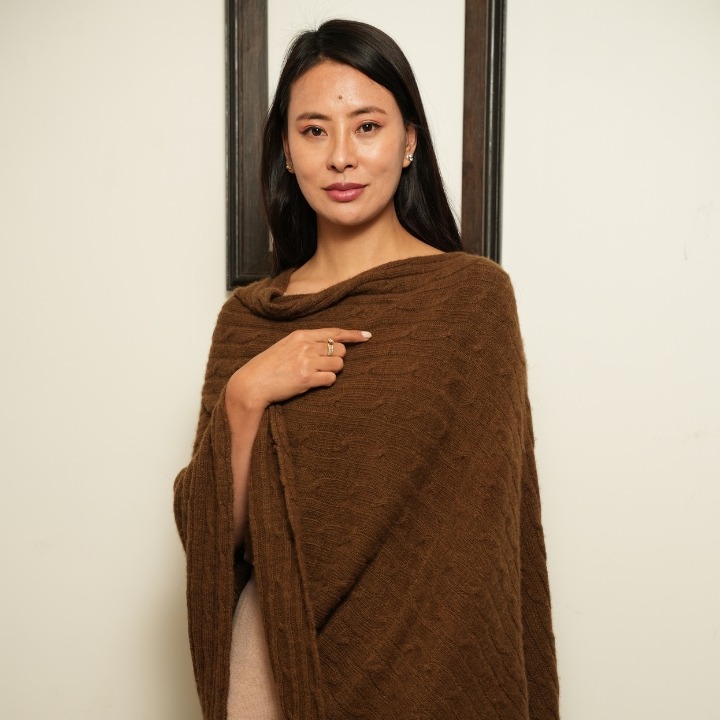

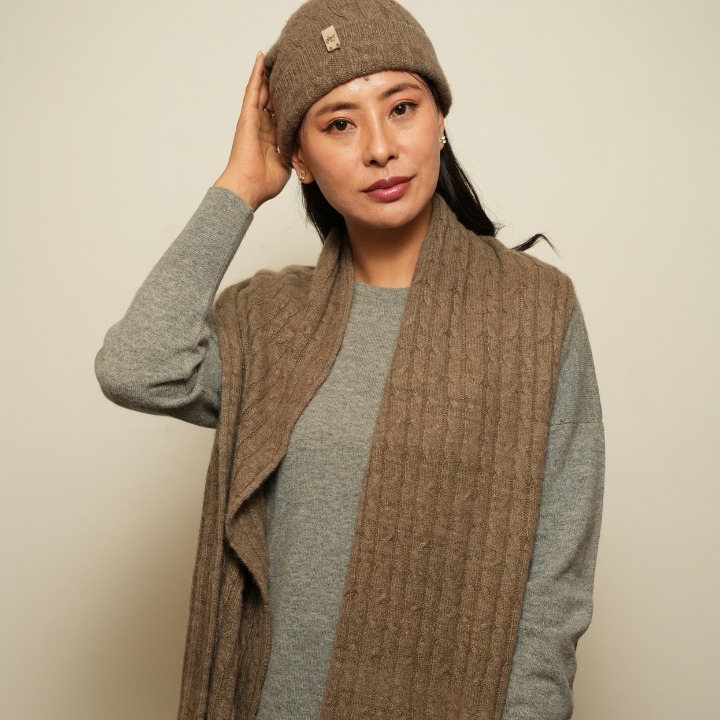




Cashmere The Luxury Animal-Hair Fiber of the Kashmir Goat
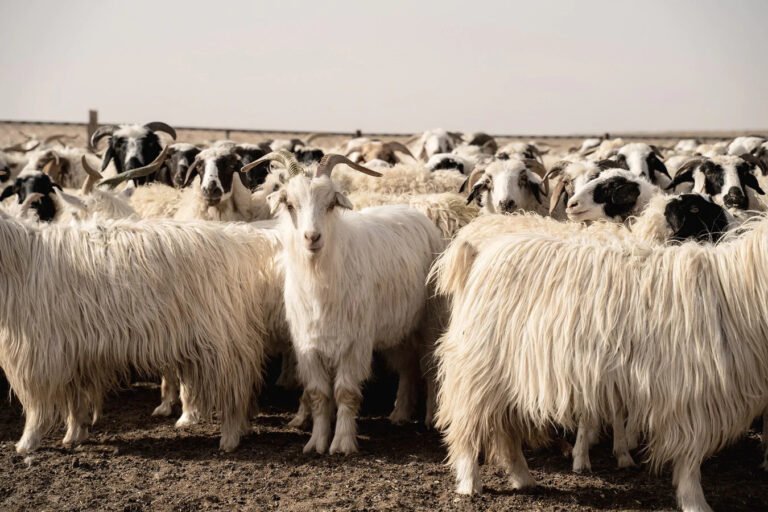
Cashmere is a premium animal-hair fiber that comes from the soft, downy undercoat of the Kashmir goat. It is classified as a specialty hair fiber and is widely admired for its unmatched softness and warmth. Although the word “cashmere” is often loosely used for fine wool, true cashmere originates exclusively from the Kashmir goat. As a result, its rarity and refinement set it apart from other natural fibers.
History and Popularity of Cashmere Shawls
In many parts of Asia, cashmere is traditionally known as pashm or pashmina. Over time, it gained worldwide recognition through the exquisite shawls handcrafted in Kashmir, India. During the early 19th century, these shawls became extremely popular across Europe. Consequently, countries such as England and France, along with the town of Paisley in Scotland, began producing imitations inspired by original Kashmiri designs.
Even today, cashmere shawls continue to symbolize elegance, heritage, and craftsmanship. Moreover, their cultural significance has kept the fiber relevant in both traditional and modern fashion.
The Cashmere Goat and Fiber Extraction
The Kashmir goat has two distinct layers of hair. While the outer coat consists of coarse fibers measuring about 4 to 20 cm, the inner undercoat contains true cashmere fibers ranging from 2.5 to 9 cm. During the molting season, these fine fibers are carefully hand-combed or plucked. However, in Iran, cashmere is often obtained through controlled shearing.
Since each goat produces only around 0.5 kilograms or less of cashmere per year, the fiber remains extremely rare. For instance, one cashmere sweater requires fleece from 4 to 6 goats, whereas a single overcoat may need fleece from 30 to 40 goats. Therefore, the limited yield significantly contributes to its luxury status.
Processing and Quality Control
After collection, the fleece is thoroughly cleaned to remove grease, dirt, and plant particles. Following this step, mechanical dehairing separates coarse hairs from fine fibers. This process directly affects both quality and price. In fact, the finest cashmere fabrics contain less than 1% coarse hair, while high-quality coats usually contain under 5%.
Physical Characteristics of Cashmere
Cashmere fibers are much finer than wool. Typically, Chinese and Mongolian cashmere measures between 14.5 and 16.5 micrometers, while Iranian cashmere ranges from 17.5 to 19.5 micrometers. Because of this fineness, cashmere offers superior warmth, a silky texture, and graceful draping qualities. However, it is weaker than wool and can be damaged by strong alkalies and high temperatures.
Cashmere in Fashion and Industry
Cashmere is widely used in high-end coats, dresses, suits, knitwear, and hosiery. Due to its scarcity and labor-intensive production process, it is considered a luxury fiber. Sometimes, manufacturers blend it with other fibers to make products more affordable. Meanwhile, the coarser outer hairs are traditionally used to produce grain bags, ropes, and tent curtains.
Today, ethical and handmade cashmere products such as those from
100% Handmade Cashmere from Nepal / Lomanthang Cashmere
are gaining global appreciation.
Additionally, platforms like
Global Spiritual Community
highlight how traditional craftsmanship aligns with mindful and sustainable living.
For businesses promoting luxury textiles online, reliable digital support matters. Services such as
Best hosting in Nepal
and
Website design in Nepal
help brands reach a global audience effectively.